
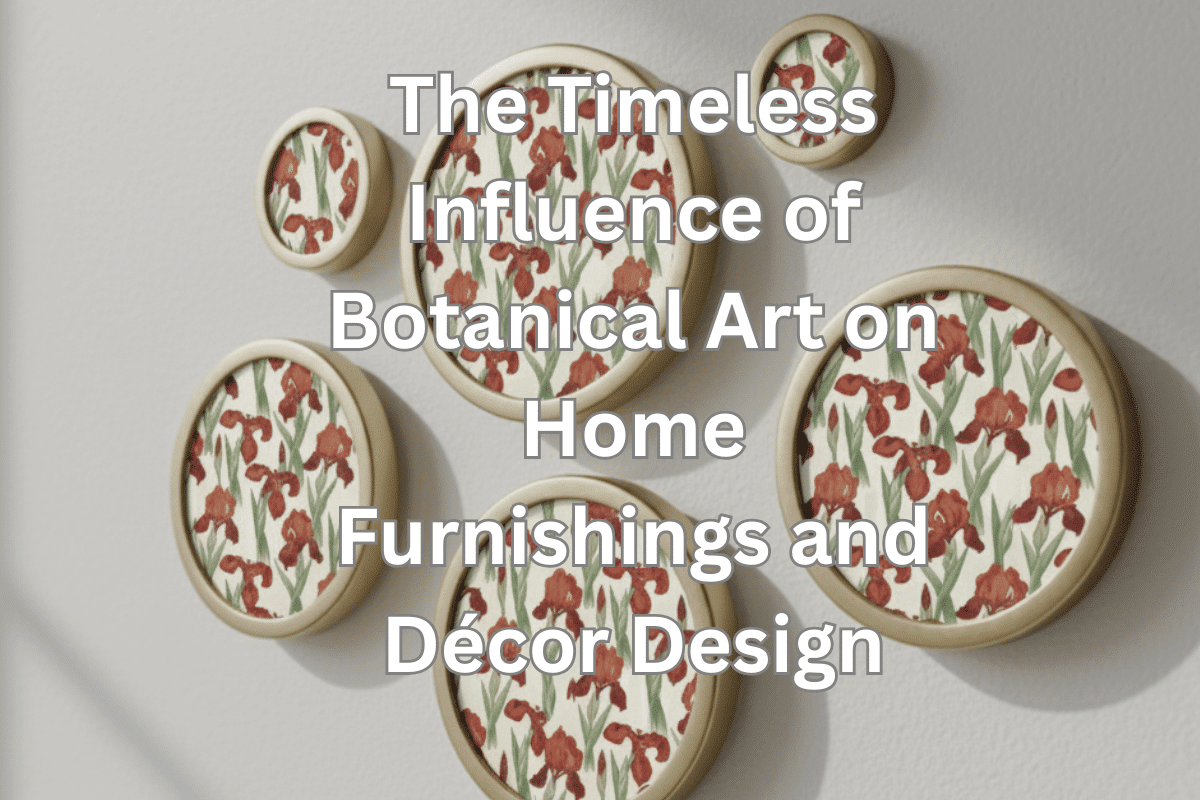
Nature has always been a source of inspiration for creativity, art, and design. From the intricate details of a flower petal to the sweeping grandeur of a forest, the natural world has an unmatched ability to captivate and influence human imagination. One of the most enduring ways this inspiration has been translated into art is through botanical designs.
Botanical art, which began as a scientific endeavor to document plant life, has evolved into a timeless design element that continues to shape the way we style our homes. While its influence is often associated with wallpaper, botanical art extends far beyond, influencing furniture, textiles, rugs, lighting, and other home décor elements.
Table of Contents
- The Historical Legacy of Botanical Art in Design
- Botanical Art in Modern Home Décor
- The Psychology Behind Botanical-Inspired Décor
- Popular Botanical Trends in Home Furnishings
- Incorporating Botanical Art Into Your Home
- The Future of Botanical-Inspired Design
- Why Botanical-Inspired Décor Matters
- Deep Dive Podcast
- Related Content
Read on as we’ll explore the history of botanical art, its role in modern home design, and how you can incorporate this timeless trend into your living spaces to create a harmonious connection with nature.
The Historical Legacy of Botanical Art in Design
The origins of botanical art can be traced back centuries, to a time when artists were commissioned to create detailed illustrations of plants for scientific study. These early botanical illustrations were not just works of art but also valuable tools for understanding the medicinal and agricultural uses of plants.
One of the pioneers of botanical art, Maria Sibylla Merian, was a 17th-century artist and naturalist known for her stunningly detailed illustrations of plants and insects. Similarly, Pierre-Joseph Redouté, often referred to as the “Raphael of flowers,” created exquisite botanical watercolors that are still celebrated today.
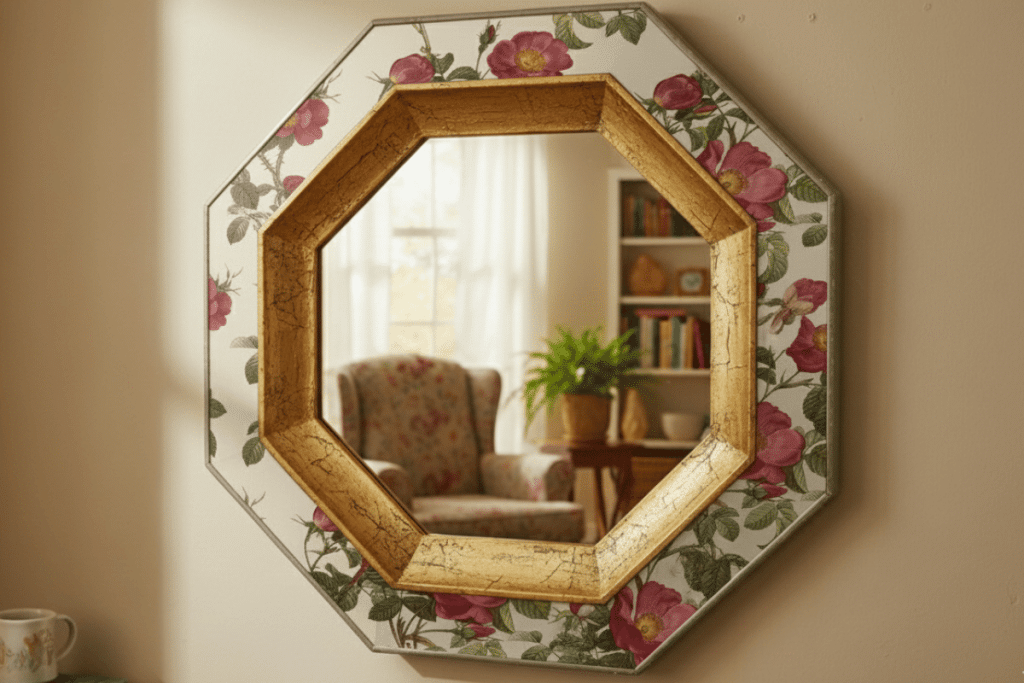
By the 18th and 19th centuries, botanical art had moved beyond scientific documentation and into the realm of decorative arts. The Victorian era, in particular, saw a surge in the popularity of floral and botanical motifs in interior design. Wallpapers, upholstery, and even furniture were adorned with intricate floral patterns, reflecting the era’s fascination with nature and the outdoors.
The Arts and Crafts movement of the late 19th century further cemented the connection between botanical art and home design.
Designers like William Morris championed nature-inspired patterns, creating iconic designs that remain popular to this day. This movement emphasized the beauty of handcrafted, nature-based designs, laying the foundation for the enduring appeal of botanical-inspired home furnishings.
Botanical Art in Modern Home Décor
Fast forward to today, and botanical art remains a staple in home décor. Its versatility and timeless appeal make it a favorite among interior designers and homeowners alike. But while the intricate floral patterns of the past were often bold and ornate, modern botanical designs have evolved to suit contemporary tastes.
1. Wallpaper
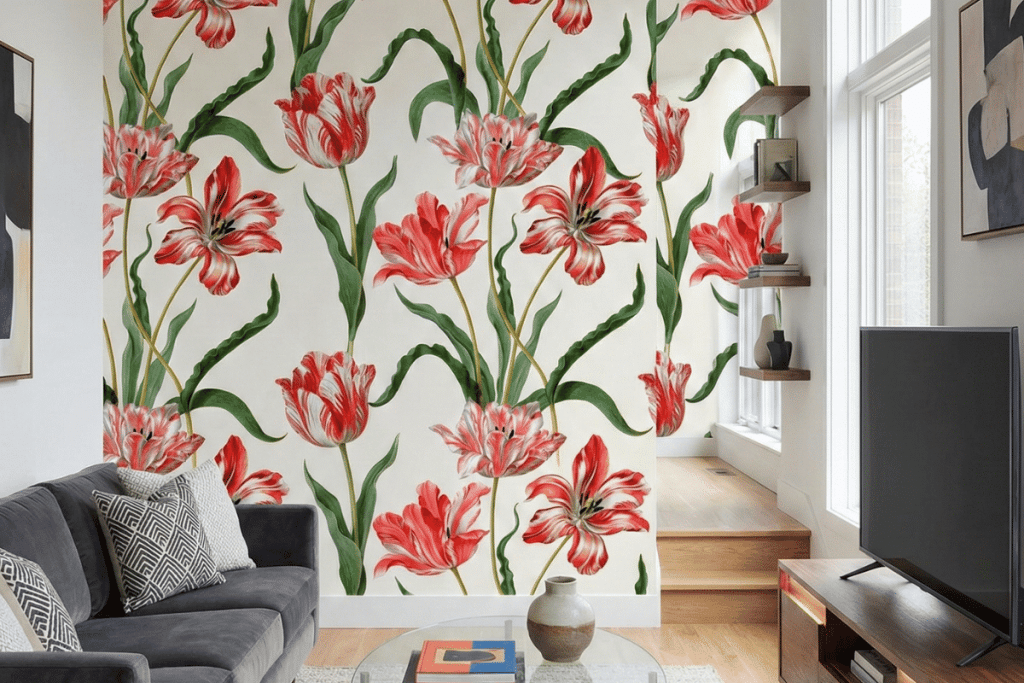
Wallpaper is perhaps the most obvious application of botanical art in home décor. From lush tropical prints to minimalist leaf patterns, modern wallpaper designs offer endless possibilities for creating a statement wall or transforming an entire room. Tropical and jungle-inspired wallpapers featuring large palm leaves, exotic flowers, and vibrant colors are particularly trendy, adding a touch of drama and a sense of adventure to any space.
2. Furniture
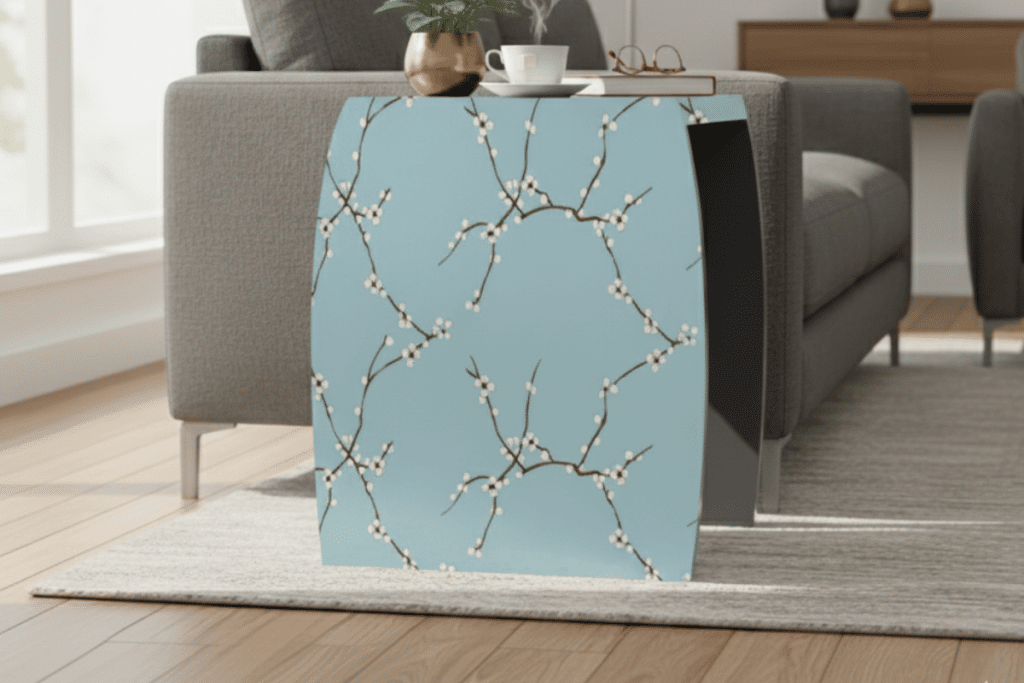
Botanical motifs are also making their way onto furniture, with hand-painted cabinets, tables, and chairs becoming increasingly popular. These pieces serve as functional works of art, adding a unique and personal touch to any room. For a more subtle approach, furniture made from natural materials like rattan, bamboo, or reclaimed wood can evoke the organic beauty of nature without the need for bold patterns.
3. Textiles
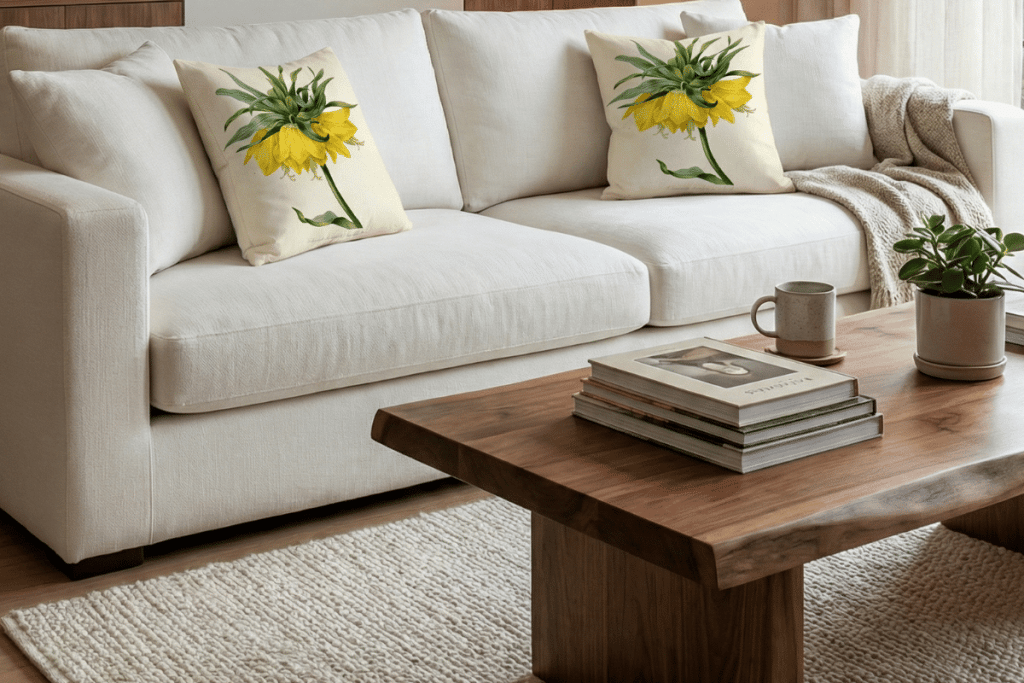
From curtains and cushions to bed linens and upholstery, botanical prints are a favorite choice for soft furnishings. Delicate floral patterns can add a touch of elegance to a bedroom, while bold, leafy designs can bring energy and vibrancy to a living room. For a cohesive look, consider pairing botanical textiles with solid-colored furniture or rugs in complementary tones.
4. Lighting
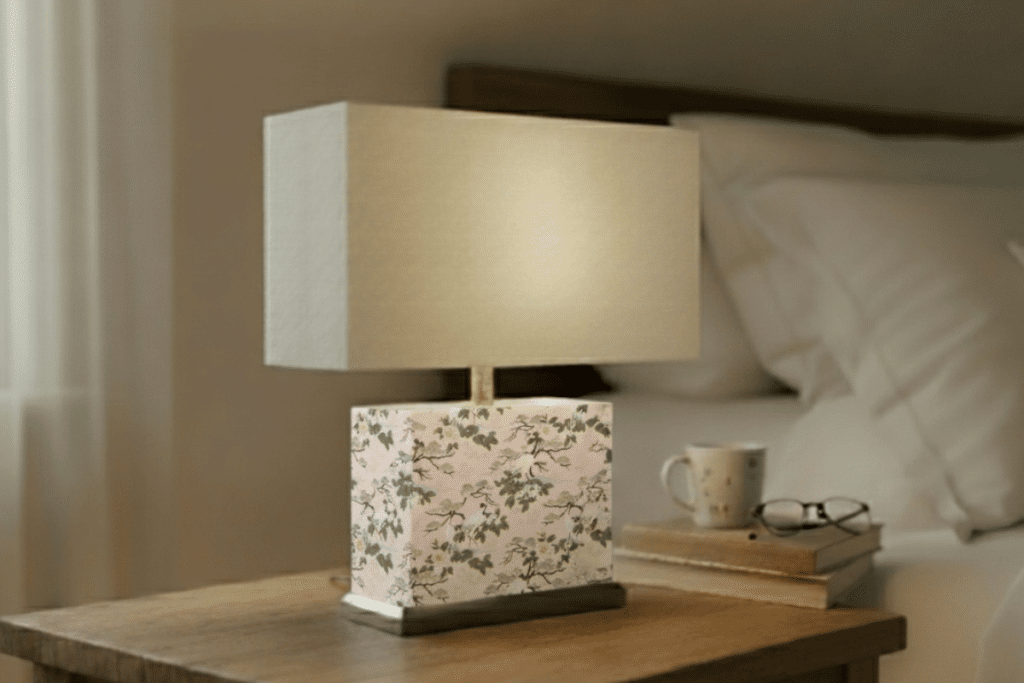
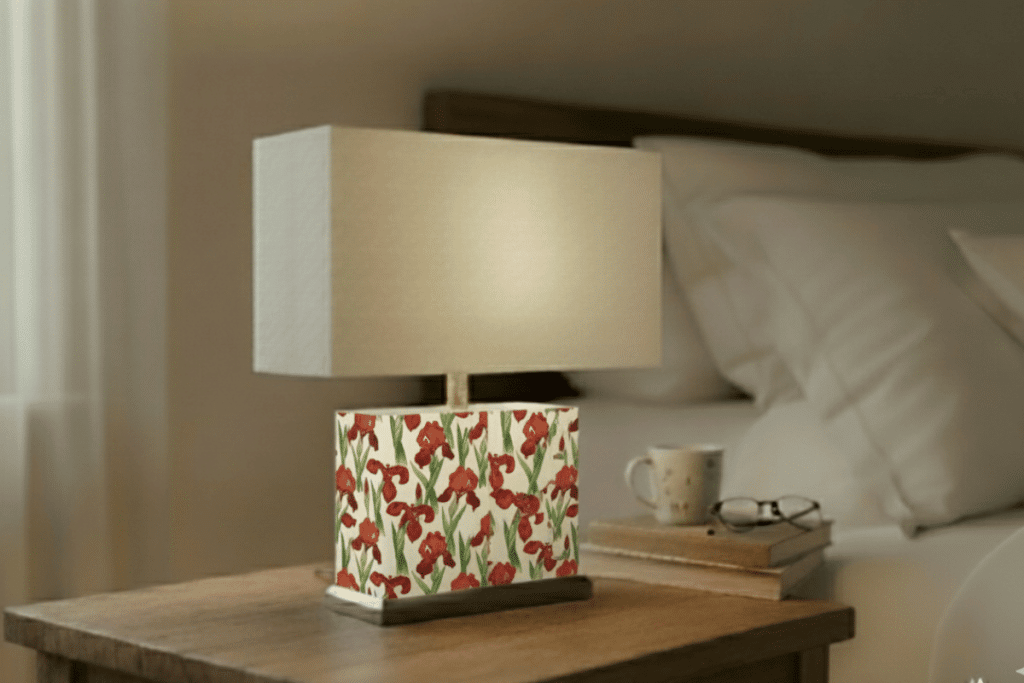
Lighting is another area where botanical design shines. Chandeliers and pendant lights inspired by flowers, leaves, and vines can serve as stunning focal points in a room. Lampshades featuring botanical prints or textures can also add a soft, natural glow to your space.
5. Rugs and Carpets
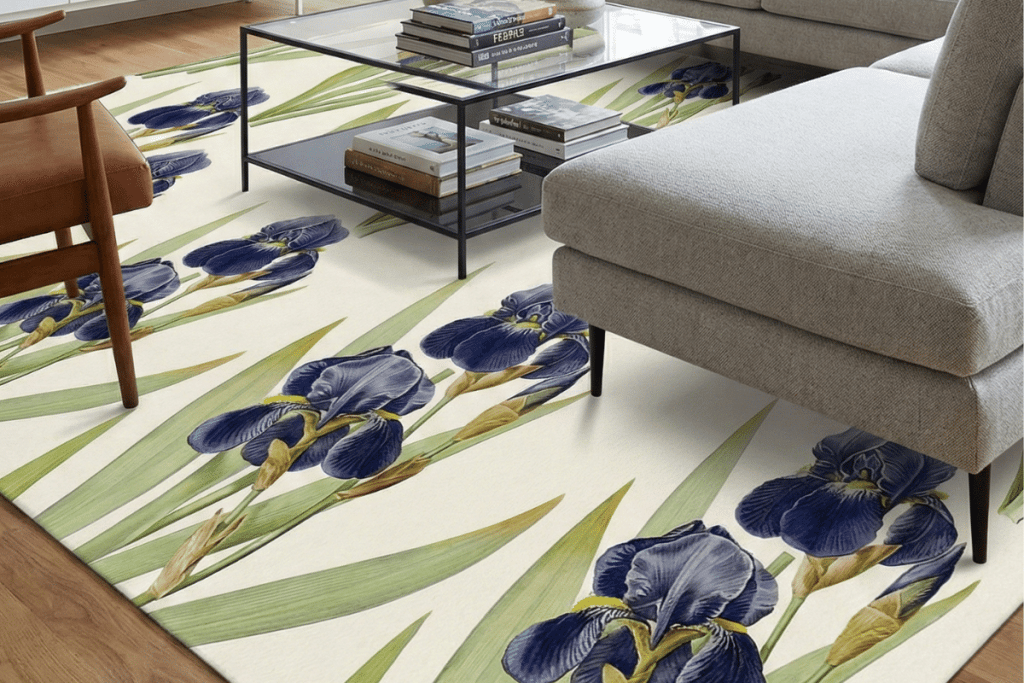
Rugs and carpets offer a great opportunity to incorporate botanical designs into your home. From intricate floral patterns to abstract interpretations of natural forms, botanical-inspired rugs can add warmth and texture to any room. Look for designs that feature earthy tones and organic shapes to create a grounded, nature-inspired atmosphere.
The Psychology Behind Botanical-Inspired Décor
One of the reasons botanical designs continue to resonate with homeowners is their ability to evoke a sense of calm and connection to nature. In today’s fast-paced world, where many of us spend the majority of our time indoors, creating a home environment that reflects the serenity of the natural world has become more important than ever.
This idea is at the heart of biophilic design, a concept that emphasizes the importance of incorporating natural elements into indoor spaces. Studies have shown that exposure to nature—or even representations of nature, such as botanical art—can reduce stress, improve mood, and enhance overall well-being.
Botanical-inspired décor is a simple yet effective way to bring the benefits of biophilic design into your home. A room adorned with lush floral prints, leafy patterns, or earthy tones can instantly transform into a serene retreat. Even small touches, such as a botanical-themed throw pillow or a vase of fresh flowers, can make a big impact on the ambiance of a space.
Popular Botanical Trends in Home Furnishings
The beauty of botanical-inspired design lies in its versatility. Whether your style is modern, traditional, or somewhere in between, there’s a botanical trend that’s perfect for your home. Here are some of the most popular trends in botanical home décor today:
- Tropical and Jungle-Inspired Prints
- Think large banana leaves, palm fronds, and exotic flowers like hibiscus. These bold, colorful patterns are perfect for creating a statement piece, whether it’s a wallpaper, a sofa, or a rug.
- Monochrome Botanical Designs
- For a more minimalist look, monochrome botanical prints in black and white or muted tones can add a touch of sophistication to any room. These designs work particularly well in modern or Scandinavian-inspired interiors.
- Vintage Botanical Illustrations
- Vintage botanical prints, often inspired by the works of artists like Redouté, are making a comeback in home décor. These timeless designs can be used as wall art, printed on textiles, or even incorporated into furniture.
- Green as a Dominant Color
- Green is the color of nature, and it’s no surprise that it’s one of the most popular colors in interior design today. From sage green walls to emerald green velvet sofas, this versatile color pairs beautifully with botanical-inspired décor.
Incorporating Botanical Art Into Your Home
Bringing botanical-inspired décor into your home doesn’t have to be overwhelming. Here are some practical tips for incorporating this timeless trend into different areas of your home:
1. Living Room
- Create a focal point with a statement botanical wallpaper or a large piece of wall art.
- Add botanical cushions or throws to your sofa for a pop of color and texture.
- Use indoor plants to complement your botanical décor and bring a touch of greenery into the space.
2. Bedroom
- Choose bedding with floral or leaf patterns to create a calming, nature-inspired retreat.
- Hang a gallery wall of vintage botanical prints for a touch of elegance.
- Use soft, nature-inspired lighting to create a cozy atmosphere.
3. Kitchen and Dining Room
- Incorporate botanical motifs into your tableware, such as plates, bowls, and tablecloths.
- Create a mini herb garden on your windowsill for a functional and decorative touch.
- Use floral centerpieces or potted plants to add life to your dining table.
4. Bathroom
- Opt for tropical-themed shower curtains or green tiles to create a spa-like atmosphere.
- Add small potted plants, such as ferns or succulents, to your bathroom for a fresh, natural vibe.
- Use botanical-scented candles or diffusers to complete the look and feel.
The Future of Botanical-Inspired Design
As we look to the future, it’s clear that botanical-inspired design will continue to evolve. Advances in technology, such as digital printing, have made it easier than ever to create custom botanical wallpapers, textiles, and other home décor items. This allows homeowners to personalize their spaces with unique designs that reflect their individual tastes.
Sustainability is also playing a significant role in the future of home furnishings. As more people seek eco-friendly options, designers are turning to sustainable materials like bamboo, jute, and recycled fabrics to create beautiful, nature-inspired pieces.
This shift toward sustainability aligns perfectly with the ethos of botanical design, which celebrates the beauty and importance of the natural world.
Why Botanical-Inspired Décor Matters
Incorporating botanical art into your home décor is about more than just aesthetics—it’s about creating a space that feels connected to nature, promotes well-being, and stands the test of time. Whether you’re drawn to the bold, vibrant patterns of tropical designs or the understated elegance of vintage botanical prints, there’s no denying the emotional and visual impact of these timeless designs.
At Mondoro, we believe in the power of nature-inspired design to transform your living spaces. Our collection of home furnishings and décor is thoughtfully designed to bring the beauty of the natural world into your home while prioritizing sustainability and craftsmanship.
Explore our collection today and discover how botanical-inspired designs can help you create a home that’s as beautiful as it is harmonious.
Deep Dive Podcast
Check out our Deep Dive Podcast
Find out more about how Mondoro can help you create, develop, and manufacture excellent home decor and furniture products – don’t hesitate to contact me, Anita. Check out my email by clicking here or become a part of our community and join our newsletter by clicking here.
Mondoro gives out a FREE Lookbook to anyone interested. You can receive a copy of our latest Lookbook by clicking here.
Listen to our Podcast called Global Trade Gal. You can find it on all major podcast platforms. Try out listening to one of our podcasts by clicking here.
Subscribe to our Mondoro Company Limited YouTube Channel with great videos and information by clicking here.
Related Content
Pantone’s Color of the Year: Cloud Dancer – A Breath of Fresh Air for 2026
In true Pantone fashion, they surprised us all with a choice that goes beyond expectations: Cloud Dancer. This serene, versatile shade has captured my heart, and I believe it perfectly encapsulates the emotions, aspirations, and mindset of 2026.
Read our blog Pantone’s Color of the Year: Cloud Dancer – A Breath of Fresh Air for 2026 by clicking here.
Using Shapr3D and Google Gemini: A Powerful Design Duo
Read on as we will explore how I use Shapr3D, a cutting-edge CAD program, alongside Google Gemini, an AI-powered visualization tool, to enhance my design process. These tools are not just software—they’re design companions that help me bring my creative visions to life in ways that were previously unimaginable.
Read our blog Using Shapr3D and Google Gemini: A Powerful Design Duo by clicking here.
Why AI is the New Design Companion
Design is a deeply personal and creative process, driven by human imagination and ingenuity. At its core, design is about expressing ideas, solving problems, and creating something that resonates with others. But as the world evolves, so do the tools we use to bring our ideas to life. Enter artificial intelligence (AI), a technology that, when used correctly, can become one of the most valuable companions for designers, product developers, and creatives alike.
Read our blog Why AI is the New Design Companion by clicking here.