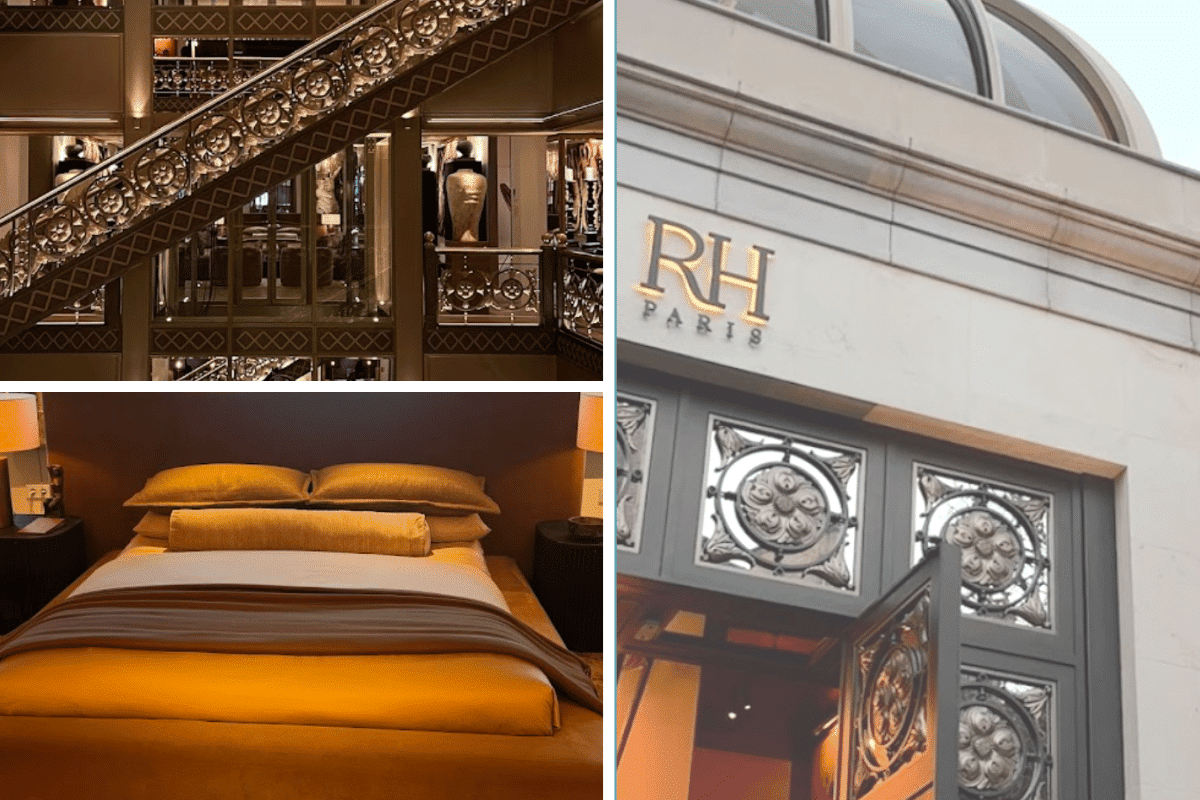
The world of luxury retail is undergoing a significant transformation, and RH (formerly known as Restoration Hardware) is at the forefront of this change.
With the unveiling of their new flagship store on the Champs-Élysées in Paris, RH has introduced a groundbreaking concept that blends high-end home décor and furniture with an immersive lifestyle experience. This shift signals a new era for the home décor and furniture industry, where retail spaces are no longer just about showcasing products but about telling a story and creating a memorable customer journey.
Table of Contents
- The RH Paris Experience: A Lifestyle Destination
- A New Standard for Luxury Retail
- The Future of Home Décor and Furniture Retail
- Challenges and Opportunities
- A New Era of Retail
- Deep Dive Podcast By Global Trade Gal
- Related Content
The RH Paris Experience: A Lifestyle Destination
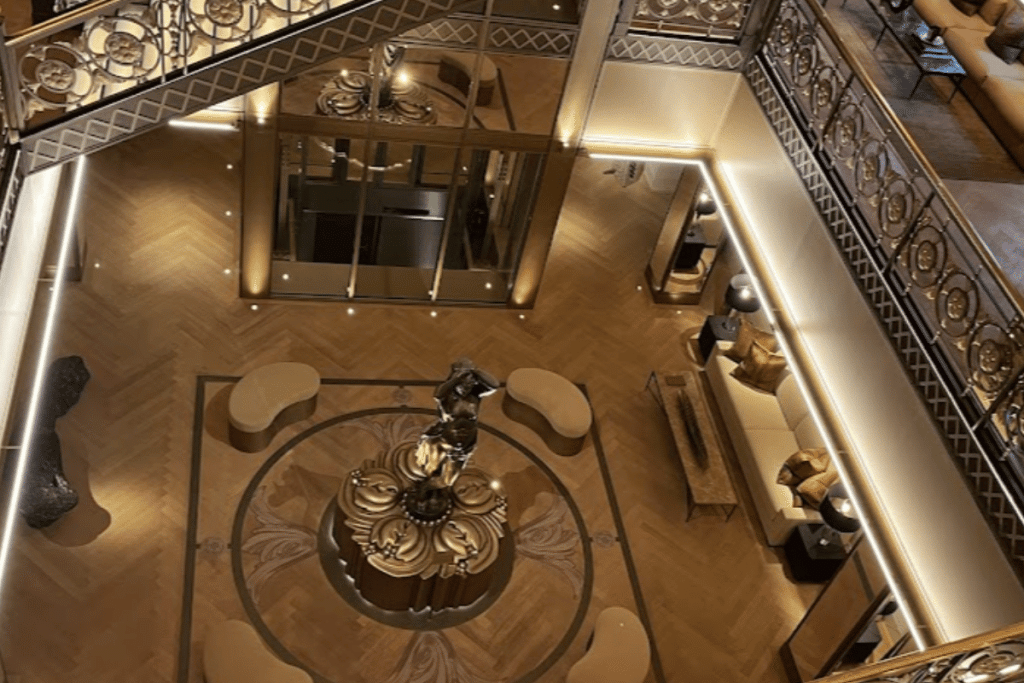
RH Paris is not just a store; it’s an experience. Located in one of the most iconic shopping destinations in the world, their new flagship space is a testament to the brand’s vision of luxury living.
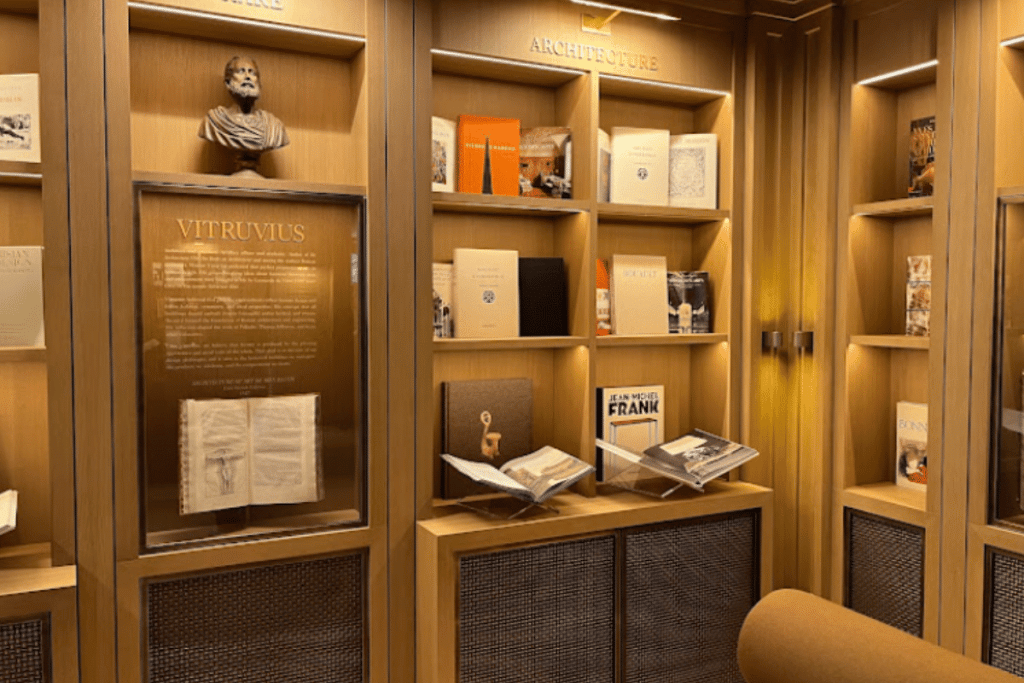
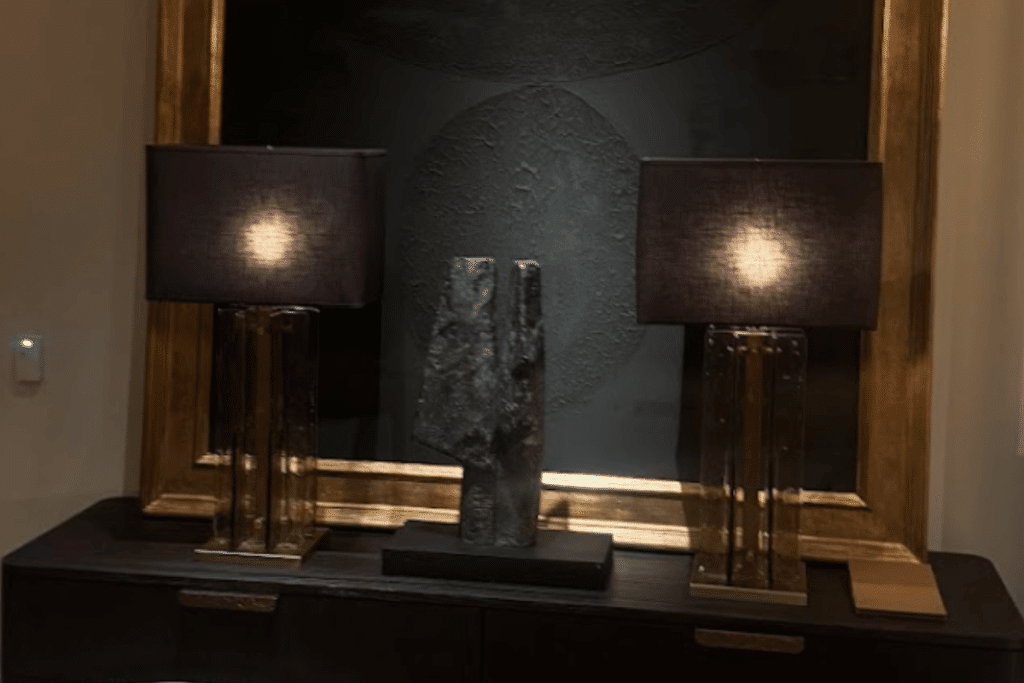
The store is designed to be more than a place to browse and purchase furniture—it’s a curated environment that embodies the RH lifestyle. From its elegant architecture to its artfully designed interiors, RH Paris blurs the lines between retail, hospitality, and culture.
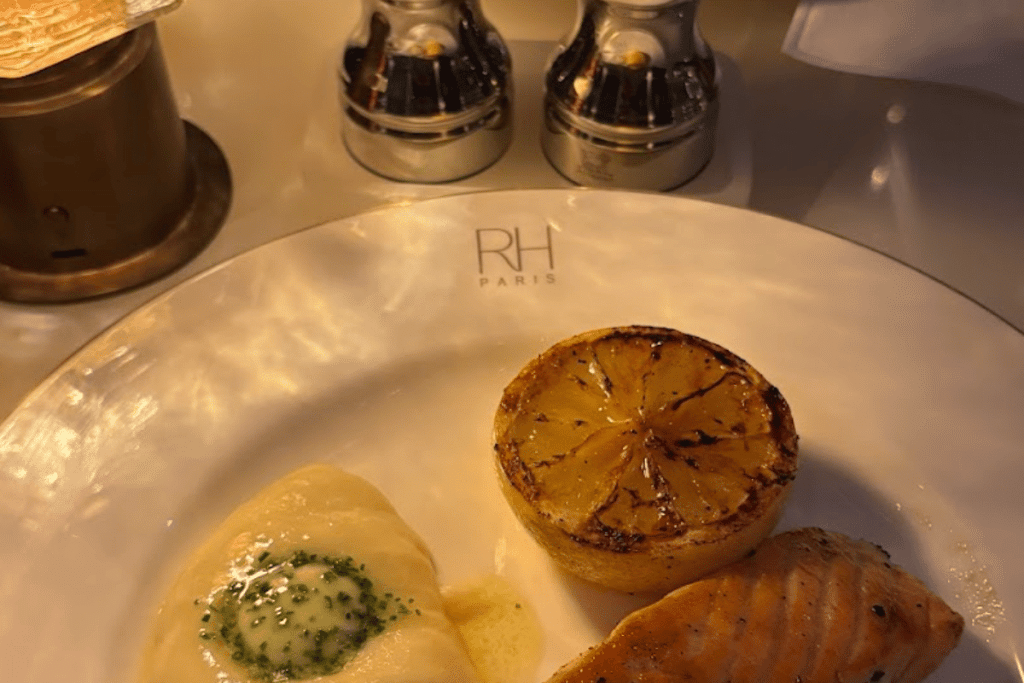
The space includes not only furniture and home décor displays but also a rooftop restaurant, wine bar, and beautifully landscaped terraces. By integrating dining and social spaces into their retail environment, RH has created a destination where customers can immerse themselves in the brand’s ethos.
It’s a place where people can experience the RH lifestyle firsthand, whether they’re enjoying a meal, sipping wine, or simply soaking in the ambiance.
A New Standard for Luxury Retail
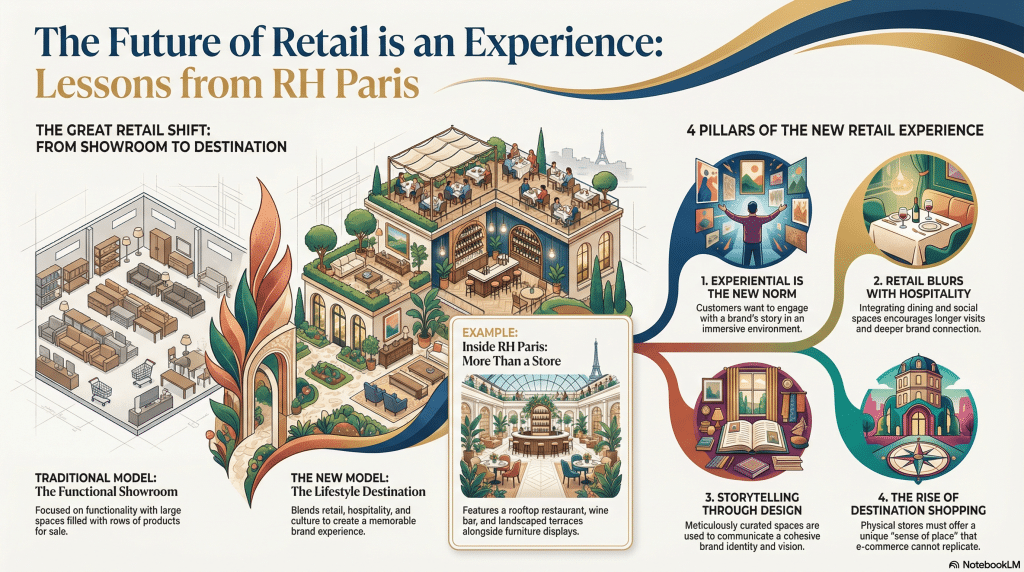
RH Paris represents a shift in how luxury home décor and furniture brands approach retail. Traditional furniture stores often focus on functionality—large showrooms filled with rows of sofas, tables, and chairs.
While this model has served the industry for decades, it lacks the emotional connection and storytelling that today’s consumers crave.
Modern customers are looking for more than just a product; they want an experience. They want to feel inspired, to connect with a brand’s story, and to envision how a piece of furniture or décor can enhance their lives. RH has recognized this shift and responded by creating spaces that go beyond retail.
Their stores are designed to evoke emotion, spark creativity, and provide a sense of belonging to a luxurious lifestyle.
The Future of Home Décor and Furniture Retail
RH’s innovative approach could be a harbinger of change for the home décor and furniture industry. As consumer expectations evolve, brands will need to adapt to stay relevant. Here are some key takeaways from RH’s model and what it could mean for the future of retail:
1. Experiential Retail is the New Norm
RH’s lifestyle-focused spaces highlight the growing importance of experiential retail. Customers no longer want to simply browse products; they want to engage with a brand on a deeper level. By creating immersive environments that tell a story, brands can foster stronger emotional connections with their customers.
This trend is already evident in other industries, such as fashion and beauty, where flagship stores often include unique experiences like workshops, cafes, or art installations. The home décor and furniture industry is now catching up, and RH is leading the way.
2. Blurring the Lines Between Retail and Hospitality
By incorporating dining and social spaces into their stores, RH has blurred the lines between retail and hospitality. This approach not only enhances the customer experience but also encourages longer visits and deeper engagement with the brand. It’s a strategy that other luxury retailers may need to adopt to stay competitive.
Imagine a future where furniture stores include coffee shops, wine bars, or even small event spaces. These additions could transform retail spaces into community hubs where customers come to relax, socialize, and explore.
3. Storytelling Through Design
RH’s stores are meticulously designed to reflect their brand identity and tell a cohesive story. From the architecture to the layout, every detail is carefully curated to create a sense of luxury and sophistication. This level of storytelling is crucial for brands looking to stand out in a crowded market.
For other retailers, this means moving away from generic, warehouse-style showrooms and investing in spaces that reflect their unique vision and values. Design becomes not just a tool for showcasing products but a medium for communicating a brand’s story.
4. The Rise of Destination Shopping
In an era dominated by e-commerce, physical retail spaces need to offer something that online shopping cannot: a sense of place. RH Paris exemplifies this by creating a destination that draws people in, not just for the products but for the overall experience. This shift could lead to a future where retail spaces are less about sales and more about brand building.
For smaller brands, this might mean focusing on creating boutique spaces that offer personalized experiences. For larger retailers, it could involve investing in flagship stores that double as cultural landmarks.
Challenges and Opportunities
While RH’s model is undoubtedly inspiring, it also comes with challenges. Creating experiential retail spaces requires significant investment in design, architecture, and operations. It also demands a deep understanding of customer preferences and a commitment to delivering exceptional service.
However, for brands willing to take the leap, the rewards can be substantial. By offering a unique and memorable experience, retailers can build stronger customer loyalty, attract new audiences, and differentiate themselves in a competitive market.
A New Era of Retail
RH Paris is more than a store—it’s a vision of what luxury retail can be. By embracing experiential design, blending retail with hospitality, and focusing on storytelling, RH has set a new standard for the home décor and furniture industry. As consumer expectations continue to evolve, other brands will need to follow suit, finding innovative ways to engage and inspire their customers.
The future of home décor and furniture retail lies in creating spaces that are more than just showrooms. They must be destinations that offer a sense of wonder, connection, and belonging. RH has shown us what’s possible, and now it’s up to the rest of the industry to rise to the challenge.
Deep Dive Podcast By Global Trade Gal
Check out our podcast.
Find out more about how Mondoro can help you create, develop, and manufacture excellent home decor and furniture products – don’t hesitate to contact me, Anita. Check out my email by clicking here or become a part of our community and join our newsletter by clicking here.
Mondoro gives out a FREE Lookbook to anyone interested. You can receive a copy of our latest Lookbook by clicking here.
Listen to our Podcast called Global Trade Gal or Deep Dive by Global Trade Gal. You can find it on all major podcast platforms. Try out listening to one of our podcasts by clicking here.
Subscribe to our Mondoro Company Limited YouTube Channel with great videos and information by clicking here.
Related Content
Pantone’s Color of the Year: Cloud Dancer – A Breath of Fresh Air for 2026
In true Pantone fashion, they surprised us all with a choice that goes beyond expectations: Cloud Dancer. This serene, versatile shade has captured my heart, and I believe it perfectly encapsulates the emotions, aspirations, and mindset of 2026.
Read our blog Pantone’s Color of the Year: Cloud Dancer – A Breath of Fresh Air for 2026 by clicking here.
Using Shapr3D and Google Gemini: A Powerful Design Duo
Read on as we will explore how I use Shapr3D, a cutting-edge CAD program, alongside Google Gemini, an AI-powered visualization tool, to enhance my design process. These tools are not just software—they’re design companions that help me bring my creative visions to life in ways that were previously unimaginable.
Read our blog Using Shapr3D and Google Gemini: A Powerful Design Duo by clicking here.
Why AI is the New Design Companion
Design is a deeply personal and creative process, driven by human imagination and ingenuity. At its core, design is about expressing ideas, solving problems, and creating something that resonates with others. But as the world evolves, so do the tools we use to bring our ideas to life. Enter artificial intelligence (AI), a technology that, when used correctly, can become one of the most valuable companions for designers, product developers, and creatives alike.
Read our blog Why AI is the New Design Companion by clicking here.