
In the competitive world of home décor, choosing the right materials for your product line is one of the most crucial decisions you’ll make as a designer or business owner.
The materials you select not only define the aesthetic appeal of your products but also influence their durability, cost-effectiveness, sustainability, and even shipping logistics. Wood, metal, and rattan represent three distinctive material choices, each with its own unique characteristics and appeal to different market segments.
Understanding Material Selection Beyond Aesthetics With Wood vs Metal vs Rattan Home Decor Materials
When developing a home décor or furniture line, material selection extends far beyond simple visual preferences. While aesthetics are undoubtedly important, successful product lines must balance beauty with practicality.
The materials you choose will determine not only how your products look but how they function, how long they last, how much they cost to produce, and ultimately, how they resonate with your target market.
Each material—wood, metal, and rattan—carries its own distinct personality and practical considerations. The right choice depends on understanding your brand identity, target audience preferences, production capabilities, and long-term business goals.
Let’s explore each material in depth to help you make an informed decision for your home décor line.

Wood: Timeless Warmth and Natural Elegance
The Aesthetic Appeal of Wood
Wood has been a cornerstone of furniture and décor for millennia, and for good reason. It brings an inherent warmth and natural beauty that few other materials can match. The rich grain patterns, varied colors, and organic textures of wood create pieces that feel both grounded and sophisticated.
Different wood species offer distinct aesthetic qualities. Oak provides a strong, pronounced grain with a light to medium brown color that works well in traditional and rustic designs. Walnut delivers deep, chocolate tones with subtle grain patterns, perfect for mid-century modern and contemporary styles.
Maple offers a clean, uniform appearance with light coloration ideal for Scandinavian and minimalist aesthetics. Cherry develops a rich, reddish-brown patina over time, becoming more beautiful with age.
Wood’s versatility allows it to be carved, turned, joined, and finished in countless ways. From the clean lines of modern design to ornate traditional detailing, wood can be transformed to suit virtually any style direction. This adaptability makes it an excellent choice for diverse product lines targeting different market segments.
Durability and Longevity
When properly cared for, wooden furniture and décor items can last for generations. Hardwoods like oak, maple, and walnut are particularly renowned for their durability and resistance to wear. Even in high-traffic environments, quality wooden pieces maintain their structural integrity and appearance with minimal maintenance.
However, wood does have vulnerabilities. It can be susceptible to scratches, dents, and water damage if not properly protected. Different finishes—from polyurethane to oil treatments—offer varying levels of protection, but all wooden items require some degree of care to maintain their beauty. Wood can also expand and contract with humidity changes, potentially leading to warping or cracking in extreme conditions.
These considerations should inform both your design choices and customer education. Including care instructions with wooden products and selecting appropriate finishes for your target market’s lifestyle needs will enhance customer satisfaction and product longevity.

Cost Considerations
Wood presents a wide spectrum of cost options depending on species, quality, and sourcing. Domestic hardwoods like oak and maple tend to be more affordable than exotic species like teak or mahogany.
Engineered wood products like plywood or MDF (medium-density fiberboard) offer cost-effective alternatives for certain applications, though they lack the prestige and sometimes the longevity of solid wood.
Production costs for wooden items can be significant, requiring specialized equipment and skilled craftsmanship for quality results. However, these investments often translate to higher perceived value and price points in the market, potentially yielding better profit margins.
Sustainability Factors
Wood’s sustainability profile is complex. As a renewable resource, responsibly harvested wood can be one of the most environmentally friendly material choices. Forest Stewardship Council (FSC) certification and similar programs help ensure wood comes from sustainably managed forests.
However, concerns about deforestation and habitat destruction make it essential to carefully consider sourcing. Exotic hardwoods from threatened ecosystems carry significant environmental implications. Reclaimed wood offers an excellent alternative, combining sustainability with unique character and storytelling potential for marketing.
Shipping and Logistics
Wood’s weight presents both advantages and challenges for shipping. While heavier than rattan, it’s often lighter than metal, placing it in the middle range for shipping costs. Solid wood items can be substantial, increasing freight expenses and potentially limiting e-commerce viability for larger pieces.
Wood’s durability during transit is generally good, though finished surfaces can be vulnerable to scratches and dents. Proper packaging is essential to protect wooden products during shipping, adding another cost consideration to your production planning.
Metal: Modern Sophistication and Industrial Appeal
The Aesthetic Appeal of Metal
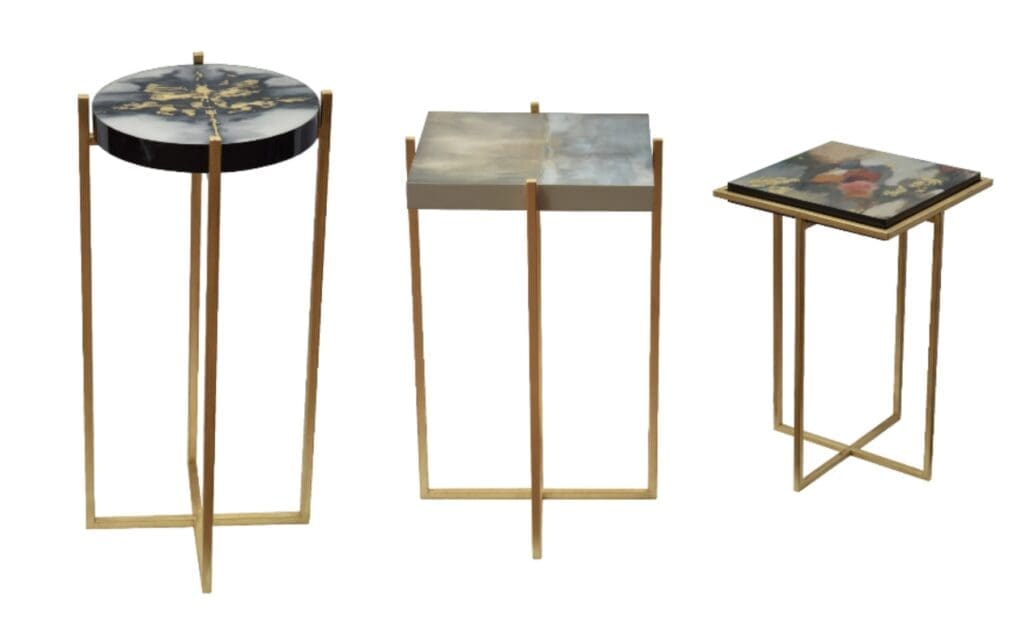
Metal brings a distinctive contemporary edge to home décor. Its sleek, refined surfaces and precise lines create a sense of sophistication that appeals to modern sensibilities. The reflective qualities of polished metals add light and visual interest to spaces, while matte or brushed finishes offer subtle elegance.
Different metals convey different aesthetic messages. Stainless steel projects a clean, contemporary look perfect for minimalist designs. Brass and copper add warmth and vintage charm, currently enjoying a renaissance in popularity.
Wrought iron brings rustic character and traditional craftsmanship associations. Aluminum offers lightweight modernity with industrial undertones.
Metal’s malleability allows for precision in design that’s difficult to achieve with other materials. Complex geometric patterns, delicate details, and perfectly straight lines are all possible, opening creative possibilities that wood and rattan can’t match. This precision makes metal ideal for statement pieces and architectural elements within a décor line.
Durability and Longevity
Metal’s durability is legendary. Properly finished metal furniture and décor items can withstand decades of use with minimal signs of wear. They resist scratches, dents, and water damage better than most materials, making them excellent choices for high-traffic environments or outdoor-indoor transitional pieces.
However, not all metals are equally durable. Iron and steel can rust if protective finishes are compromised. Aluminum may dent more easily than heavier metals. Brass and copper develop patinas over time—a quality some customers appreciate as character but others may view as deterioration.
Finishing techniques significantly impact metal’s durability. Powder coating provides excellent protection but can chip. Plating offers beautiful results but may wear at contact points. Clear protective coatings preserve the natural appearance of metals but require periodic renewal. These finishing choices should align with your product positioning and price point.
Cost Considerations
Metal typically represents a higher material cost than wood or rattan, particularly for premium options like brass or stainless steel. Manufacturing processes for metal—including casting, welding, and finishing—also require specialized equipment and skills, further increasing production costs.
These higher costs generally translate to higher price points, positioning metal décor items in mid to premium market segments. However, the durability and timeless appeal of metal can justify these prices to consumers seeking long-term value, potentially supporting healthy profit margins despite higher production expenses.

Sustainability Factors
Metal’s sustainability profile has both strengths and weaknesses. Many metals are highly recyclable—aluminum, for instance, can be recycled indefinitely without quality degradation. Using recycled metal significantly reduces environmental impact compared to virgin material extraction.
However, metal mining and processing are energy-intensive and can cause significant environmental disruption. The carbon footprint of metal production is generally higher than that of wood or rattan, though this impact is partially offset by metal products’ exceptional longevity.
For environmentally conscious brands, highlighting the use of recycled metals and designing for eventual recyclability can strengthen sustainability messaging. Some manufacturers are exploring innovative approaches like combining recycled metals with other sustainable materials to create hybrid products with improved environmental profiles.
Shipping and Logistics
Metal’s weight presents significant shipping challenges, particularly for larger furniture pieces. Higher shipping costs can impact pricing strategy and may necessitate freight rather than standard parcel shipping, potentially limiting e-commerce opportunities.
On the positive side, metal’s durability makes it less susceptible to shipping damage, potentially reducing returns and replacement costs. Some metal designs can be engineered for flat-pack shipping or disassembly, mitigating weight concerns while offering convenient delivery options for customers.

Rattan: Natural Texture and Bohemian Charm
The Aesthetic Appeal of Rattan
Rattan brings an unmistakable organic texture and casual elegance to home décor. Its woven patterns create visual interest through texture rather than color or finish, offering a distinctive alternative to the solid surfaces of wood and metal.
This natural material conveys a relaxed, bohemian sensibility that resonates strongly with current design trends emphasizing natural elements and craftsmanship.
The visual lightness of rattan designs—with their open weaves and airy structures—makes them particularly suitable for smaller spaces where heavier materials might feel overwhelming. Rattan’s natural honey-to-amber coloration complements a wide range of color palettes, from neutral minimalist schemes to vibrant bohemian collections.
Rattan’s handcrafted quality communicates artisanal value and uniqueness. The slight variations inherent in natural materials and handweaving become selling points rather than flaws, appealing to consumers seeking authenticity and character in their home décor.
Durability and Longevity
Contrary to some perceptions, quality rattan furniture and décor can be remarkably durable. The material’s natural flexibility allows it to absorb impact without breaking, giving it resilience against the bumps and stresses of daily use. When properly maintained, rattan items can last for decades.
However, rattan does have specific vulnerabilities. Excessive humidity can cause mildew growth, while extremely dry conditions may lead to brittleness and cracking. Direct sunlight can fade and degrade the material over time. These considerations make rattan best suited for controlled indoor environments rather than outdoor or high-humidity spaces like bathrooms.
Modern treatments can enhance rattan’s durability. UV-resistant finishes protect against sun damage, while moisture-resistant sealants improve performance in varied environments. These treatments can expand rattan’s practical applications while maintaining its natural appeal.
Cost Considerations
Rattan typically falls into the mid-range for material costs, generally less expensive than premium woods or metals but more costly than engineered wood products. However, the labor-intensive nature of rattan weaving significantly impacts production costs, particularly for complex designs requiring skilled artisans.
Sourcing considerations also affect pricing. Sustainable, ethically harvested rattan commands premium prices, while mass-produced items from less regulated sources may cost less but carry reputational risks for brands concerned with sustainability and social responsibility.
For many consumers, rattan’s unique aesthetic and natural origins justify moderate price premiums. Effective marketing that highlights craftsmanship and sustainability can support higher price points and margins for quality rattan products.

Sustainability Factors
Rattan offers compelling sustainability advantages when properly sourced. As a rapidly renewable vine that grows in tropical forests, rattan can be harvested without destroying its ecosystem. In fact, sustainable rattan harvesting provides economic incentives for forest preservation, potentially contributing to conservation efforts.
However, increasing demand has led to concerns about overharvesting in some regions. Certification programs like the Forest Stewardship Council (FSC) help identify responsibly sourced rattan, though these certifications are not yet as widespread for rattan as they are for wood.
For brands prioritizing sustainability, transparent sourcing and partnerships with verified sustainable suppliers can become powerful elements of brand storytelling, resonating with environmentally conscious consumers.
Shipping and Logistics
Rattan’s lightweight nature gives it a significant advantage in shipping economics. Lower weight translates directly to lower freight costs, making rattan an excellent choice for e-commerce-focused brands where shipping expenses significantly impact profitability.
However, rattan’s woven structures can be vulnerable to damage during transit if not properly protected. Specialized packaging solutions are often necessary, potentially offsetting some of the savings from lower weight. Rattan’s irregular shapes may also result in larger package dimensions relative to product size, affecting dimensional weight calculations for shipping.

Making the Right Material Choice for Your Brand With Wood vs Metal vs Rattan Home Decor Materials
Aligning Materials with Brand Identity
Your material choices should reflect and reinforce your brand’s core identity and values. A brand focused on traditional craftsmanship and timeless design might gravitate toward wood for its heritage associations.
A contemporary, design-forward brand might emphasize metal for its modern sophistication. A brand celebrating natural living and casual elegance might find rattan aligns perfectly with its ethos.
Consider how your material choices communicate your brand story. Wood speaks to tradition, craftsmanship, and connection to nature. Metal conveys precision, innovation, and contemporary edge. Rattan suggests artisanal skill, natural origins, and relaxed sophistication. These material narratives should complement your broader brand messaging.
Understanding Your Target Market
Different customer segments respond differently to various materials. Younger urban consumers might prefer the clean lines and contemporary feel of metal. Suburban homeowners might gravitate toward the warmth and traditional associations of wood. Design-conscious consumers seeking distinctive style might be drawn to rattan’s textural interest and bohemian charm.
Price sensitivity also varies by market segment. Premium materials align with luxury positioning, while more cost-effective options support accessible price points. Your material choices should reflect your target market’s expectations and willingness to pay.
Considering Mixed-Material Approaches
Some of the most successful home décor lines incorporate multiple materials, leveraging the strengths of each while mitigating their limitations. Wood and metal combinations offer warmth with contemporary edge. Rattan elements can soften the visual weight of wooden furniture. Metal accents can add sophistication to primarily rattan pieces.
These mixed-material approaches allow for greater design flexibility while potentially addressing practical concerns like structural strength or weight distribution. They also create distinctive visual signatures that can differentiate your line in a crowded marketplace.

Making an Informed Choice
The “best” material for your home décor line isn’t universal—it depends entirely on your specific brand positioning, target market, design aesthetic, and business model. Wood, metal, and rattan each offer distinct advantages and challenges that must be weighed against your particular circumstances.
Wood delivers timeless warmth and natural beauty with excellent durability, though it requires proper care and can present sustainability challenges depending on sourcing. Metal provides contemporary sophistication and exceptional longevity but at higher cost and weight. Rattan brings unique texture and bohemian charm with shipping advantages, though with specific environmental considerations.
The most successful brands make material choices that align authentically with their values while meeting practical business requirements. By thoroughly understanding the characteristics, advantages, and limitations of each material option, you can make informed decisions that support both your creative vision and business objectives.
Whether you choose the natural warmth of wood, the sleek sophistication of metal, the textural interest of rattan, or a thoughtful combination of materials, your informed choice will form the foundation of a distinctive and successful home décor line that resonates with your target market.
Deep Dive Podcast on Wood vs Metal vs Rattan Home Decor Materials: Choosing the Right Material for Your Brand
Listen to our podcast about Wood vs Metal vs Rattan Home Decor Materials: Choosing the Right Material for Your Brand.
Find out more about how Mondoro can help you create, develop, and manufacture excellent home decor and furniture products – don’t hesitate to contact me, Anita. Check out my email by clicking here or become a part of our community and join our newsletter by clicking here.
Mondoro gives out a FREE Lookbook to anyone interested. You can receive a copy of our latest Lookbook by clicking here.
Listen to our Podcast called Global Trade Gal and Deep Dive by Global Trade Gal. You can find it on all major podcast platforms. Try out listening to one of our podcasts by clicking here.
Subscribe to our Mondoro Company Limited YouTube Channel with great videos and information by clicking here.
Related Content
Why Gold Leaf Never Goes Out of Style: The Timeless Appeal of Gold Leaf
Among the many ways gold has been used throughout history, gold leaf stands out as one of the most enduring and versatile mediums. From ancient temples and religious icons to modern home décor and luxury furniture, gold leaf has transcended time and trends to remain a beloved element in art,
Read our blog Why Gold Leaf Never Goes Out of Style: The Timeless Appeal of Gold Leaf by clicking here.
The Timeless Influence of Botanical Art on Home Furnishings and Décor Design
Botanical art, which began as a scientific endeavor to document plant life, has evolved into a timeless design element that continues to shape the way we style our homes. While its influence is often associated with wallpaper, botanical art extends far beyond, influencing furniture, textiles, rugs, lighting, and other home décor elements.
Read our blog The Timeless Influence of Botanical Art on Home Furnishings and Décor Design by clicking here.
The Art of Measurement: How KPIs Bridge the Gap Between Master Craftsmanship and Successful Business
Whether you are developing software, constructing a skyscraper, or, as we will explore today, crafting a piece of ultra-luxury furniture, the difference between a chaotic failure and a profitable masterpiece usually comes down to visibility. How clearly can you see the progress of your project? How quickly do you know when something has gone wrong?
Read our blogThe Art of Measurement: How KPIs Bridge the Gap Between Master Craftsmanship and Successful Business by clicking here.