

Quality control (QC) is the backbone of successful manufacturing, especially in industries like furniture and home décor where aesthetics, durability, and safety are paramount. For ecommerce brands and importers, ensuring the quality of their products is not just a matter of customer satisfaction—it’s a vital component of their reputation and business sustainability.
At Mondoro, we understand the complexities and challenges of maintaining high standards in manufacturing. In this comprehensive guide, we’ll walk you through the essential quality control processes, inspection stages, common defects, acceptable tolerances, and third-party inspection options, as well as share the extra steps we take to ensure our products meet and exceed expectations.

Why Quality Control Matters in Furniture and Home Décor Manufacturing
Furniture and home décor are products that customers use daily, often for years. A poorly made item can result in:
- Customer complaints
- Costly returns
- Negative reviews
- Safety hazards
For brands and importers, these issues can quickly escalate, affecting both finances and reputation. That’s why rigorous quality control is non-negotiable in this industry.
Understanding Quality Control Processes
Quality control in furniture and home décor manufacturing involves a series of systematic processes designed to ensure that every product meets predetermined standards. Here are the key components:
1. Setting Quality Standards
Before production begins, it’s crucial to define what constitutes acceptable quality. This means:
- Establishing specifications for materials, dimensions, finishes, and functionality.
- Creating reference samples for comparison.
- Documenting tolerances (the allowable variations from the standard).
2. Supplier Qualification
Not all suppliers are created equal. Vetting suppliers based on their ability to meet quality standards is essential. This includes:
- Auditing their facilities
- Reviewing their previous work
- Evaluating their QC systems
3. In-Process Quality Control (DURPO Inspection)
At Mondoro, we emphasize during the process (DURPO) inspections. This means that QC isn’t just a final step—it happens throughout production:
- Inspecting raw materials before use
- Checking semi-finished goods at various stages
- Monitoring assembly, finishing, and packaging
This approach helps catch issues early, reducing waste and rework.
4. Final Inspection In Quality Control
The final inspection is the last checkpoint before goods are packed and shipped. At Mondoro, we often conduct a 100% inspection, meaning every item is checked. This ensures:
- Compliance with customer specifications
- Consistent appearance and function
- Proper packaging
5. Testing and Validation For Quality Control
Certain tests are crucial for verifying durability and safety:
- Hardware testing (e.g., hinges, screws)
- Glue testing (especially with new suppliers)
- Drop tests for packaging integrity
These tests help ensure that products withstand real-world use and transit.
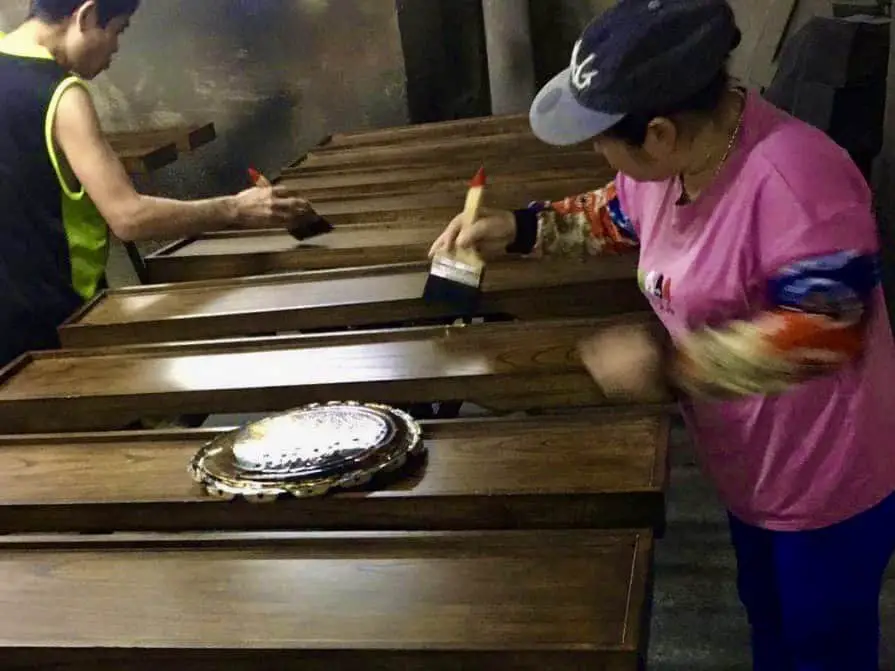
Inspection Stages Explained in Quality Control
A robust Quality Control or QC system involves multiple inspection stages:
Incoming Material Inspection
- Verifies that all materials meet required standards before entering the production line.
- Checks for defects, contamination, or incorrect specifications.
In-Process Inspection (DURPO)
- Conducted at various points during manufacturing.
- Allows for early detection and correction of issues.
Final Inspection
- Occurs after production but before packing.
- Ensures finished goods meet all requirements.
- At Mondoro, this is often a 100% inspection.
Pre-Shipment Inspection
- Sometimes performed by third-party agencies.
- Verifies that packed goods are ready for shipment and meet buyer expectations.

Common Defects in Furniture and Home Décor Manufacturing
Understanding standard defects helps focus QC efforts. Some frequent issues include:
- Surface blemishes: Scratches, dents, uneven finishes
- Structural problems: Warping, loose joints, weak hardware
- Color mismatches: Inconsistent paint or stain
- Incorrect dimensions: Out-of-tolerance measurements
- Packaging defects: Poor cushioning, insufficient protection
Acceptable Tolerances: What’s Reasonable?
Tolerances define the permissible limits of variation. For example:
- Dimensions: ±2mm for table length
- Color: Slight shade differences within a specified range
- Finish: Minor imperfections not visible from a standard viewing distance
Setting realistic tolerances is critical. Too tight, and production costs skyrocket; too loose, and quality suffers.

Mondoro’s Approach to Quality Control: Going the Extra Mile
At Mondoro, quality is more than a checklist—it’s a commitment. Here’s how we ensure our products meet the highest standards:
DURPO (During Process) Inspections
We inspect goods throughout the manufacturing process, not just at the end. This proactive approach allows us to:
- Identify issues early
- Work with suppliers to resolve problems
- Maintain consistent quality across batches
100% Final Inspection
For almost all our customers, we perform a final, detailed inspection of every single item before packing. This ensures:
- No defective goods slip through
- Each piece meets customer requirements
- Packaging is up to standard
Testing Hardware and Glue
We pay special attention to hardware and glue, especially when working with new suppliers. This includes:
- Checking the strength and durability of fasteners
- Testing glue adhesion to prevent failures
Drop Tests on Packing
We conduct drop tests to ensure that packaging can withstand the rigors of transit. This reduces the risk of damage during shipping and delivery.
Working with Smaller Suppliers
Many of our suppliers are smaller operations. This means:
- We need to be hands-on with QC
- We provide guidance and support to help them meet standards
- We tailor our inspection processes to their capabilities
Extra Steps for Assurance
Despite our best efforts, things can happen beyond our control—such as a glue supplier messing up a batch. That’s why we:
- Take extra steps in testing and inspection
- Communicate closely with suppliers
- Maintain flexibility to address unforeseen issues
Why QC is Crucial for Ecommerce Brands and Importers
If you’re an ecommerce brand or importer, you know the anxiety of buying overseas: Will the products match your standards? Will your customers be happy? Will you avoid costly returns?
Quality control addresses these concerns by:
- Reducing risk: Catching defects before they reach customers
- Building trust: Ensuring consistent quality across orders
- Protecting reputation: Delivering products that meet or exceed expectations

Tips for Ensuring Quality Control in Your Supply Chain
Whether you’re manufacturing furniture or home décor, here are some actionable tips:
1. Choose Suppliers Carefully
- Vet their QC systems
- Request samples and references
- Visit their facilities if possible
2. Define Clear Specifications
- Document every detail: materials, finishes, dimensions, tolerances
- Provide reference samples
3. Implement In-Process Inspections
- Don’t wait until the end—check quality throughout production
4. Require Final and Pre-Shipment Inspections
- Demand thorough checks before packing and shipping
5. Use Third-Party Inspectors When Needed
- For large orders or new suppliers, consider independent inspections
6. Test Critical Components
- Hardware, glue, finishes—these can make or break your product
7. Monitor Packaging Quality
- Ensure goods are protected for transit
8. Communicate and Collaborate
- Work closely with suppliers to address issues and improve processes

Quality control is not just a process—it’s a philosophy that underpins successful manufacturing in furniture and home décor. At Mondoro, we go above and beyond to ensure every product meets our clients’ standards, from DURPO inspections to 100% final checks and rigorous testing. We understand that even with the best systems, unforeseen issues can arise, which is why we take extra steps to safeguard quality.
For ecommerce brands and importers, partnering with a manufacturer who prioritizes QC is essential. It’s the difference between delighted customers and costly headaches. By understanding the QC processes, inspection stages, common defects, tolerances, and third-party options, you can make informed decisions and build a supply chain that delivers excellence.
Ready to elevate your furniture and home décor quality? Contact Mondoro today to learn more about our QC processes and how we can help you achieve your goals.
Quality is not an act, it is a habit. At Mondoro, we believe quality is essential.
Deep Dive Podcast – Quality Control
Check out our Deep Dive Podcast on Quality Control.
Find out more about how Mondoro can help you create, develop, and manufacture excellent home decor and furniture products – don’t hesitate to contact me, Anita. Check out my email by clicking here or become a part of our community and join our newsletter by clicking here.
Mondoro gives out a FREE Lookbook to anyone interested. You can receive a copy of our latest Lookbook by clicking here.
Listen to our Podcast called Deep Dive by Global Trade Gal and Global Trade Gal. You can find it on all major podcast platforms. Try out listening to one of our podcasts by clicking here.
Subscribe to our Mondoro Company Limited YouTube Channel with great videos and information by clicking here.
Related Content
8 Reasons To Look Towards Manufacturing Your Products In Vietnam
With the tariffs that countries like the United States have placed on China, Vietnam is one country that has become a clear winner in the trade war. One reason is that Vietnam has a relatively large, young, educated, and skilled population. The Vietnamese Government is also business-friendly, and the country continues to develop many excellent shipping ports.
You can learn more by reading our blog, 8 Reasons To Look Towards Manufacturing Your Products In Vietnam, by clicking here.
Is Vietnam Easier Than China To Source Or Procure Products From? Tips To Help
Vietnam does not have a highly developed product procurement or sourcing supply chain with clear and concise information as China does. Sourcing products and finding manufacturers in Vietnam can prove much more difficult than finding suppliers and manufacturers in China.
You can read our blog about Is Vietnam Easier Than China To Source Or Procure Products From? Tips To Help by clicking here.
How Do I Find An Overseas Manufacturer To Produce My Own Product Ideas?
To find a reliable overseas manufacturer to produce your product ideas, here are some basic steps you can take 1) Find a reliable agent to help you find manufacturers, 2) attend trade shows in your industry, 3) research online, 4) talk to trade organization and 5) try to get a referral from someone in your industry.
You can learn more by reading our blog, How Do I Find An Overseas Manufacturer To Produce My Own Product Ideas? by clicking here.